

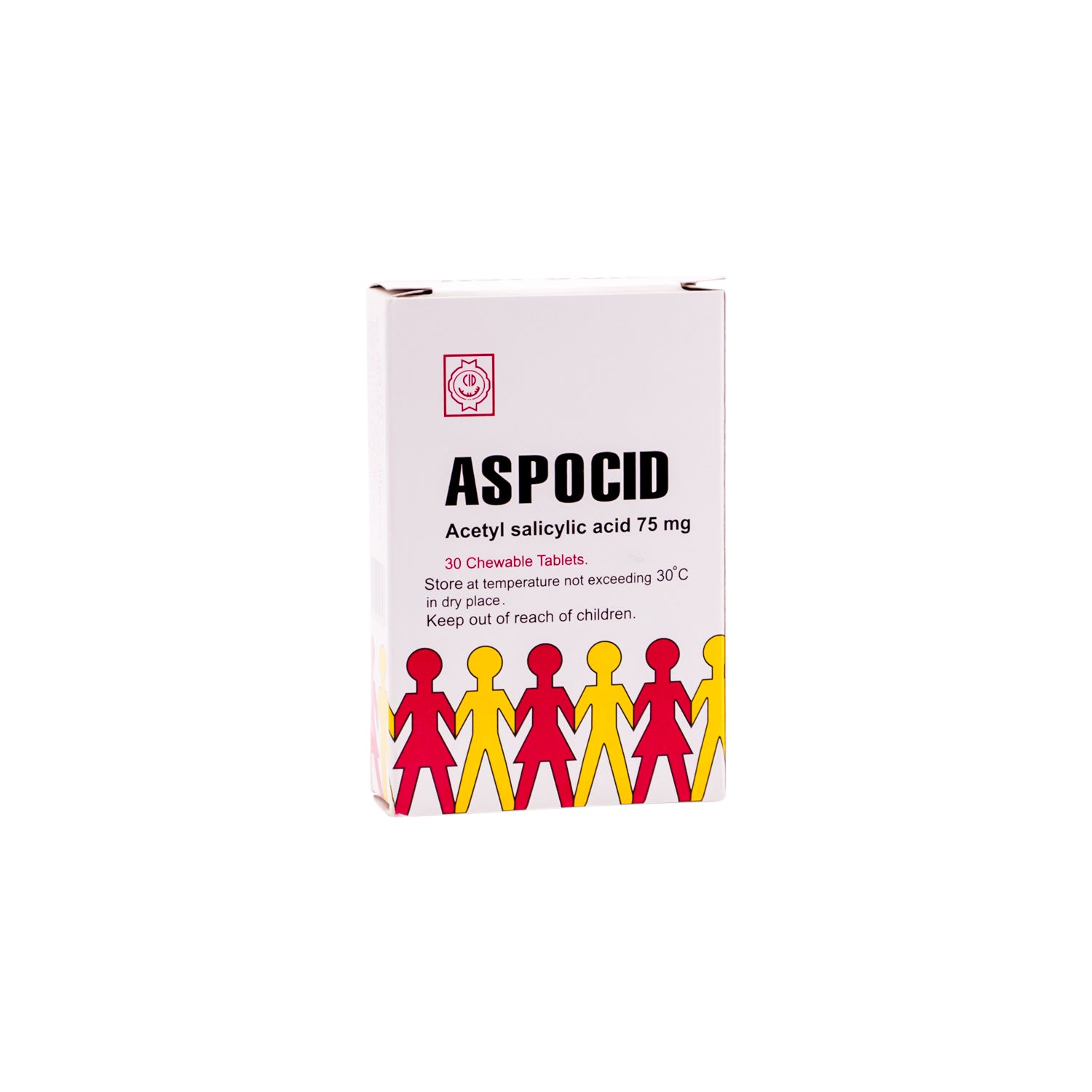
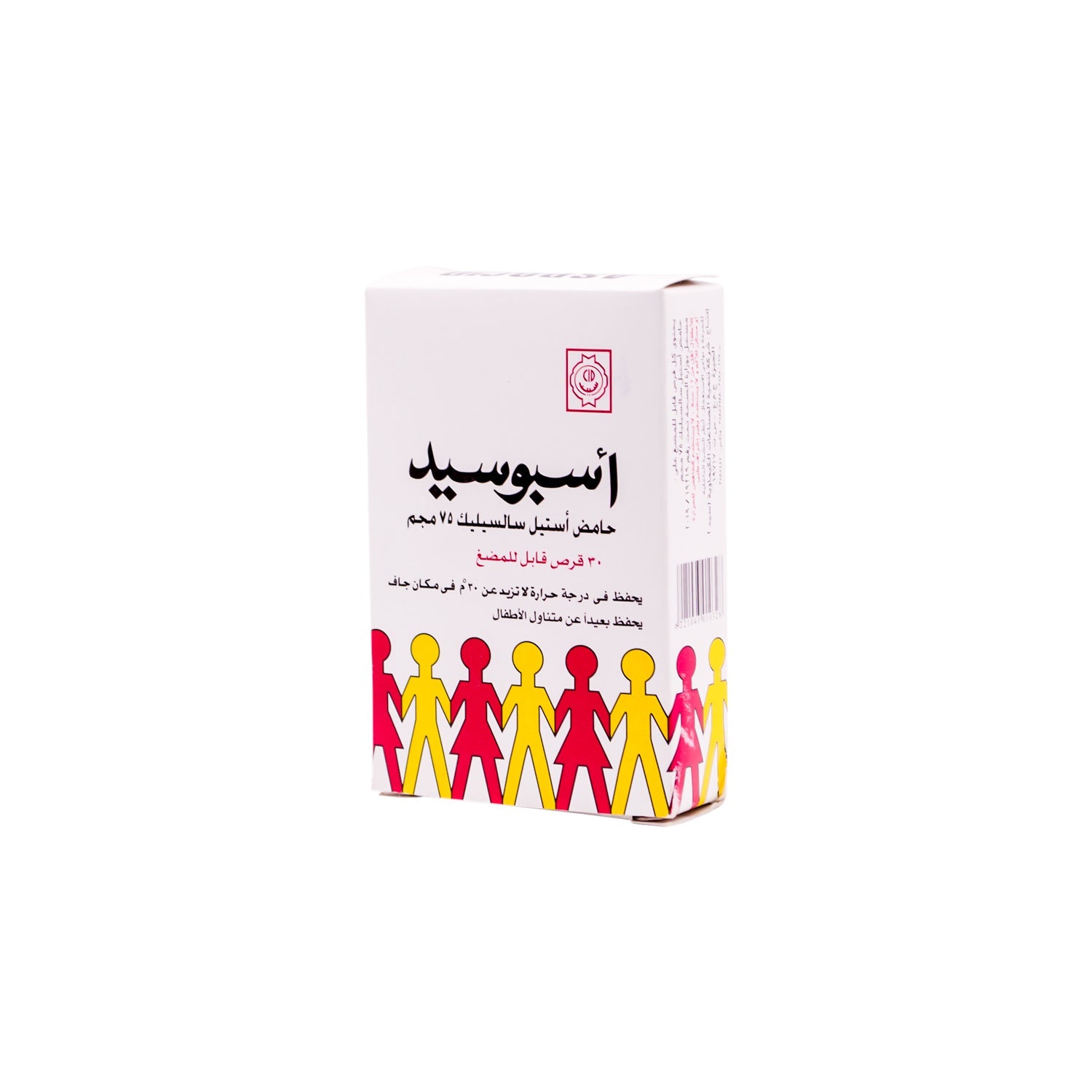
Aspocid 75mg Acetyl Salicylic Acid Chewables for Fever & Mild Pain
30 tablets
Description
# Drug Description
Brand Name
Aspocid 75 mg Acetyl Salicylic Acid Chewables for Fever & Mild Pain
Read more
Generic Name
Acetylsalicylic Acid (Aspirin)
About The Drug
Aspocid 75 mg contains acetylsalicylic acid, better known as aspirin. It is a well-known medicine that helps reduce pain, bring down fever, and ease inflammation. Because this is a low-dose chewable tablet, it is often used for its blood-thinning effect as well, depending on your doctor’s advice. It may be a helpful option when you need a simple medicine for mild discomfort, but it should be used carefully because aspirin can irritate the stomach and is not suitable for everyone.
Indications
When do you need this medication?
* Mild pain: Helps relieve light pain such as headache, toothache, muscle aches, or minor body pain.
* Fever: Helps lower a raised temperature and make you feel more comfortable when you have a fever.
* Inflammation-related discomfort: May help reduce swelling and soreness linked to minor inflammatory conditions.
* Heart and blood vessel protection, when prescribed: In some people, low-dose aspirin is used to help reduce the risk of blood clots, heart attack, or stroke. This use should only be started on medical advice.
* Other doctor-approved uses: Your doctor may recommend it for specific conditions where aspirin is appropriate.
Dosage and Administration
How to use the drug safely and effectively?
* Usual Dosage:
* For pain or fever, the dose of aspirin is usually higher than 75 mg and should follow your doctor’s instructions or the product label.
* 75 mg low-dose aspirin is commonly used for blood clot prevention, not for strong pain relief.
* Children and teenagers should not take aspirin for fever or viral illness unless a doctor specifically tells you to do so, because of the risk of serious side effects.
* Method of Administration:
* Chew the tablet thoroughly before swallowing, or take it exactly as directed on the package or by your doctor.
* It is best to take aspirin with food or after a meal and with a full glass of water to help protect your stomach.
* Do not take more than recommended, and do not use it for long periods unless advised by a healthcare professional.
* If you are taking it for heart protection, take it at the same time each day to help you remember.
Side Effects
What might you feel?
* Common side effects:
* Stomach upset
* Heartburn
* Nausea
* Mild stomach pain
* Easy bruising or slight bleeding
* Serious side effects:
* Black or bloody stools
* Vomiting blood or material that looks like coffee grounds
* Severe stomach pain
* Allergic reaction, such as rash, swelling, or trouble breathing
* Unusual bleeding that does not stop
* Important note: If you notice signs of bleeding or an allergic reaction, seek medical help right away.
Warnings and Precautions
* Do not use aspirin if you are allergic to aspirin or other anti-inflammatory pain medicines.
* Avoid using it if you have a stomach ulcer, active bleeding, or a history of serious bleeding unless your doctor says it is safe.
* Use extra care if you have asthma, kidney disease, liver disease, gout, or a bleeding disorder.
* Aspirin can increase the risk of bleeding, especially before surgery or dental work.
* Do not give aspirin to children or teenagers with fever caused by a virus, unless directed by a doctor.
* If you are pregnant, especially in the third trimester, or breastfeeding, ask your doctor before using it.
Drug Interactions
* Blood thinners such as warfarin, heparin, apixaban, or rivaroxaban: may increase bleeding risk.
* Other NSAIDs like ibuprofen or naproxen: can raise the chance of stomach irritation and bleeding.
* Steroids such as prednisone: may increase stomach bleeding risk.
* Certain diabetes medicines: aspirin may affect blood sugar control in some people.
* Alcohol: increases the risk of stomach bleeding and irritation.
* Methotrexate: aspirin may increase its side effects.
* Always tell your doctor or pharmacist about all medicines, vitamins, and herbal products you use.
Storage
* Store at room temperature, away from moisture and direct sunlight.
* Keep the tablets in their original packaging until you need them.
* Do not store in the bathroom or near heat sources.
* Keep out of reach of children.
* Do not use the medicine after the expiry date.
When To Seek Medical Advice
* If fever lasts more than a few days
* If pain gets worse or does not improve
* If you develop stomach bleeding, rash, swelling, or breathing problems
* If you need to use aspirin regularly for a long time
Important Note
Aspocid 75 mg is a low-dose aspirin product. While aspirin can help with mild pain and fever, this strength is commonly used for blood clot prevention rather than strong pain relief. Always follow the instructions on the label or your doctor’s advice to use it safely.
Key Facts
- Brand
- CID
- Category
- Circulatory Disorders
Shipping & returns
- Delivery
- Standard delivery is typically within 60 minutes. Orders are fulfilled by the closest Lotus Pharmacy to your address, with your preferred payment method, including online, selected at checkout.
- Insurance prescriptions
- For insurance orders, send the prescription, insurance approval, and card via WhatsApp so a pharmacist can confirm before dispatch.
- Returns & exchange
- A 14-day return and exchange policy applies with the original receipt. Personal-use cosmetics, medicines requiring specific storage, and altered products are non-returnable.
Always read the product leaflet for the full list of ingredients and precautions, and consult your healthcare professional or physician before use.